
UMR7178
Institut pluridisciplinaire Hubert Curien - IPHC
L’IPHC, unité mixte de recherche sous cotutelle du CNRS et de l’Université de Strasbourg (UMR7178), est un exemple de réussite de la pluridisciplinarité où des équipes de recherche de cultures scientifiques différentes (écologie, physiologie et éthologie, chimie et physique subatomique) développent des programmes pluridisciplinaires de très haut niveau avec pour socle l’instrumentation scientifique.


Nos départements de recherche
Les Actualités
Voir toutes les actualités
Une nouvelle approche pour décrypter les mécanismes du vivant
Nous avons développé une nouvelle approche analytique permettant de caractériser les interactions entre protéines avec une sensibilité inégalée, pour mieux décrypter le fonctionnement des cellules et les mécanismes des maladies.

Actualité scientifique | Les écureuils ne perdent pas le nord au réveil !
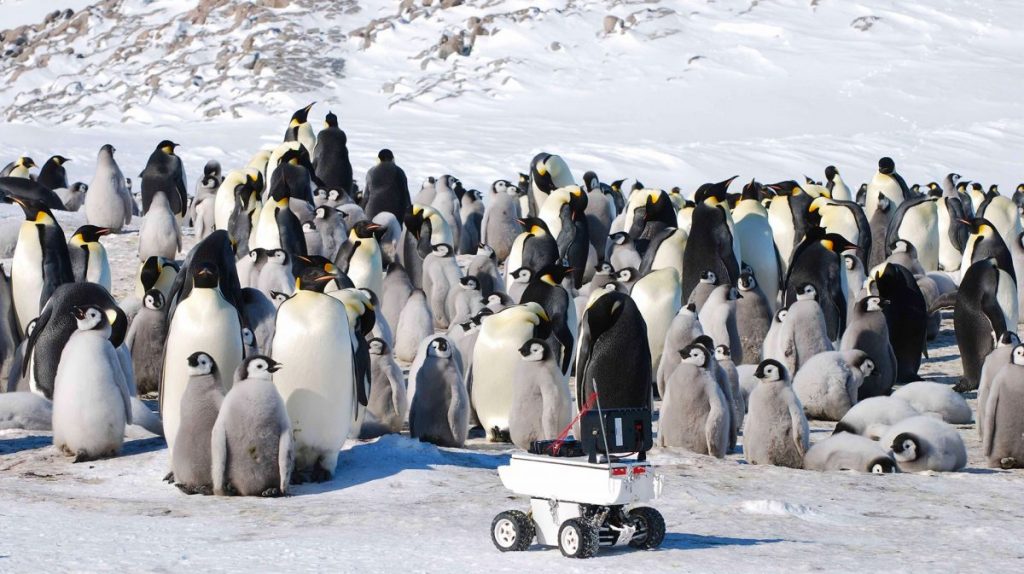
Une étude internationale co-pilotée par l’IPHC a montré que des écureuils terrestres du Canada conservent la mémoire d’un parcours appris avant l'hiver, malgré le profond ralentissement de l’organisme pendant mois d'hibernation.
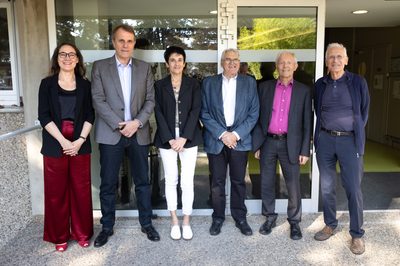
Cérémonie des 20 ans de l'IPHC
Le lundi 5 octobre 2026, nous avons célébré l'aventure collective de l'IPHC avec nos tutelles et nos partenaires académiques et industriels, publics et privés. L’occasion de revenir sur deux décennies d’aventure scientifique et humaine et de partager les ambitions du laboratoire pour l’avenir.
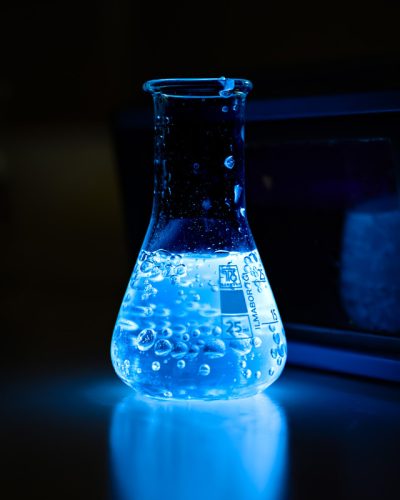
FDS2026 | L'IPHC en première ligne pour ses 20 ans !
À l’occasion de notre vingtième anniversaire, nous avons ouvert nos portes au public dans le cadre de la Fête de la science sur le campus CNRS de Cronenbourg. La mobilisation massive des scientifiques de l'IPHC nous a permis de proposer un programme de découvertes particulièrement riche et varié.
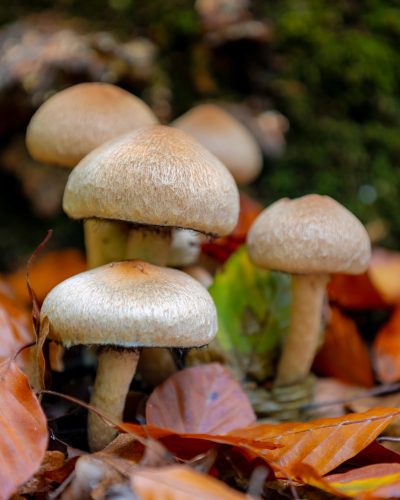
Actualité scientifique | Un champignon révèle une nouvelle piste contre l’antibiorésistance
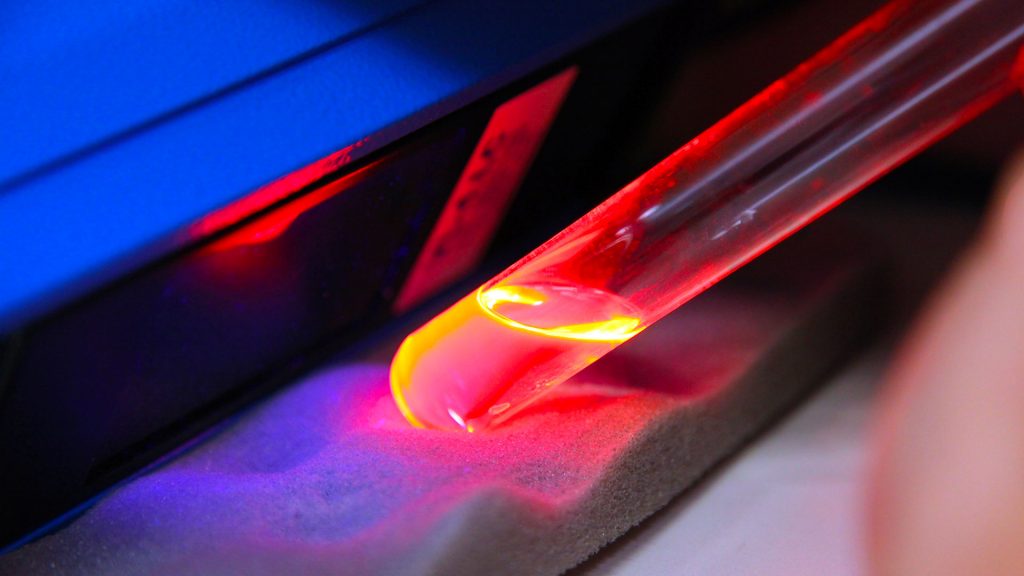
Face à la progression préoccupante de la résistance aux antibiotiques, la recherche de nouvelles molécules capables de lutter contre les bactéries résistantes est devenue une priorité. Une équipe de l'IPHC a découvert un composé antibactérien inédit issu d'un champignon, actif contre les staphylocoques dorés multirésistants.
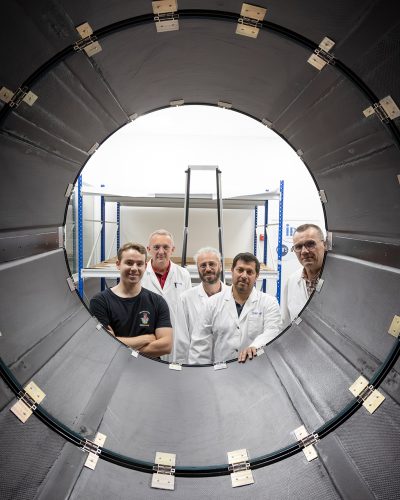
TB2S : l'aboutissement de dix ans de travail à l’IPHC au service de CMS
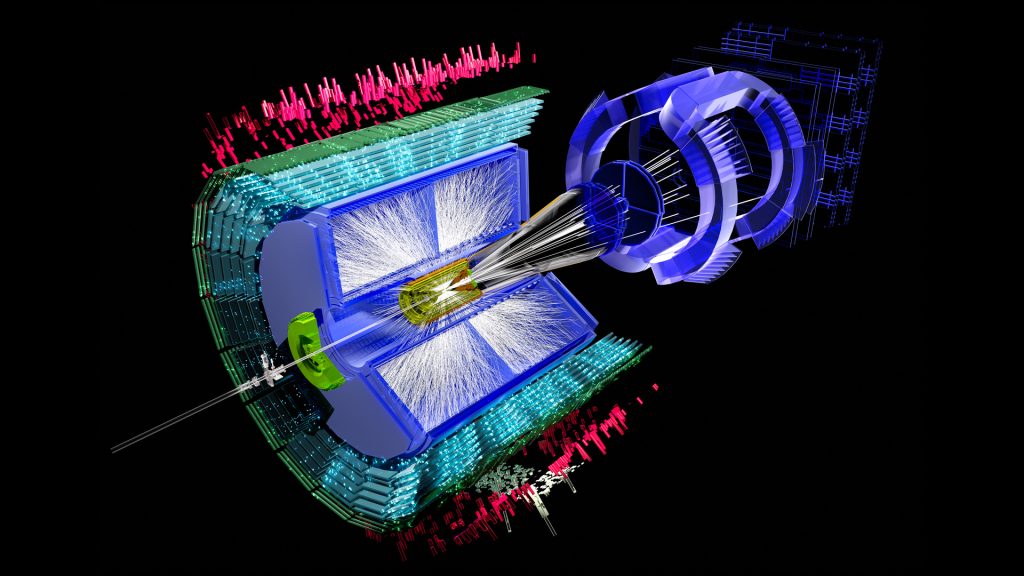
Le Tracker Barrel 2S (TB2S) a quitté l’IPHC pour rejoindre le CERN. Ce transfert marque l’aboutissement d’un projet lancé en 2017, dans lequel les équipes du laboratoire ont pris en charge la construction de cette structure mécanique de haute précision qui est un des rouages importants du futur trajectographe de l’expérience CMS.
Suivez-nous
Prochains évènements
Voir l’agenda27 novembre 2026
Neutron- and gamma-induced reactions for applications
Speakers: Andrea TSINGANIS (IPHC) https://indico.in2p3.fr/event/40675/
11 décembre 2026
The experimental challenge at the FCC-ee and where the HL-LHC still holds the crown
Speakers: Armin ILG (CNRS/IPHC Strasbourg) https://indico.in2p3.fr/event/40674/